The panel
Amp rating, breaker condition, directory, and obvious damage or crowding.

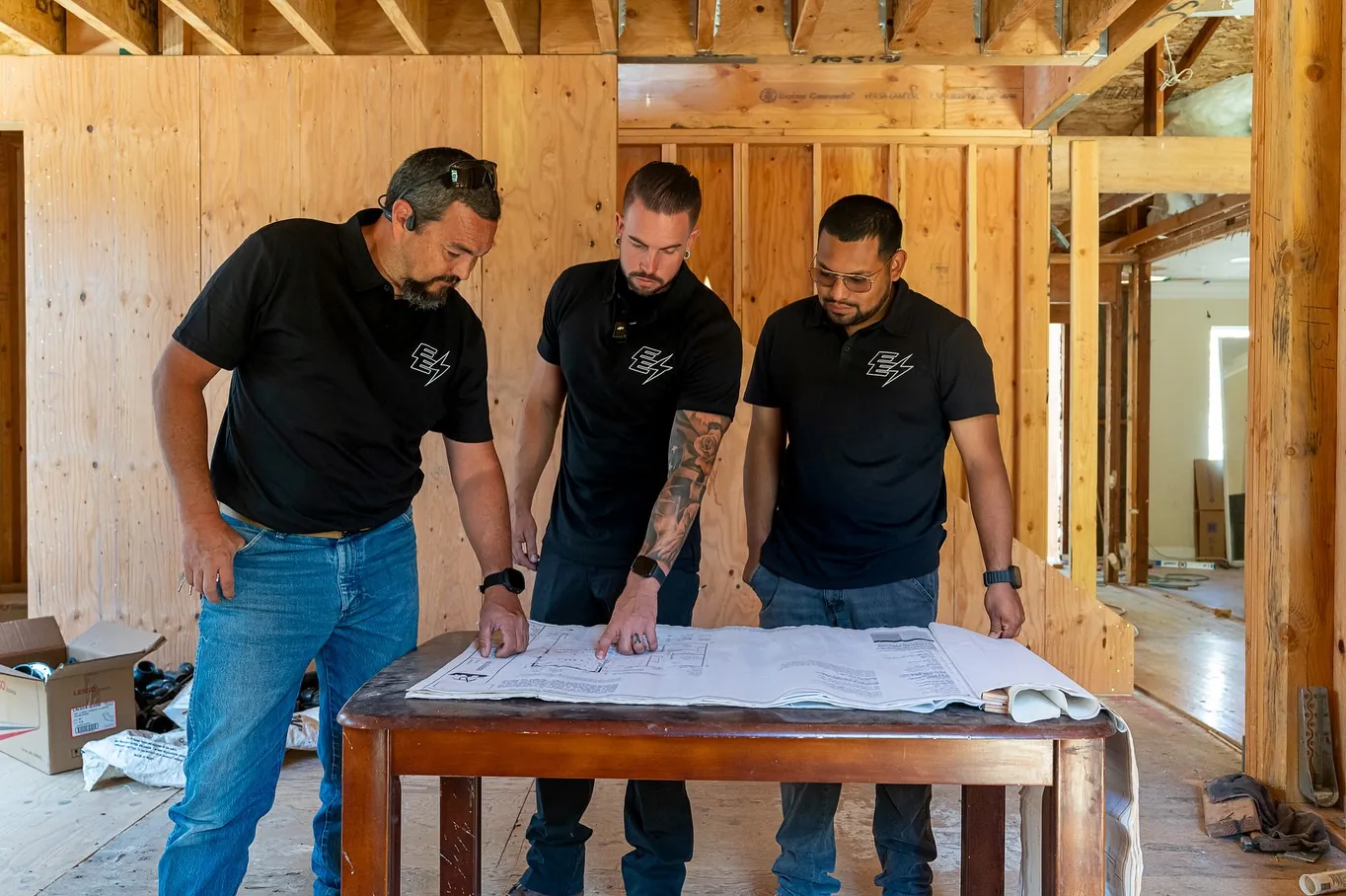
A licensed look at your panel and other accessible electrical components. We explain what we find and what can wait. CSLB #1133790.
5.0

Most people call an electrician when something already failed. A safety check is the visit before that: flickering lights, a warm switch, a house you just bought, or a panel you have never had opened. Executive Electric walks the accessible electrical system and tells you what we see.
This is not a home inspection, a punch list for a sale, or a promise of a written report. It is a licensed electrician looking at the panel and other components we can reach, then explaining findings in ordinary language.
We use the same no-pressure approach we use on panel upgrades. If the system looks sound, we say so. If something should be repaired or replaced, we explain why and quote only the work you ask us to do.
Commercial suites get the same kind of look when a tenant is moving in or a property manager wants eyes on an older panel before equipment arrives.
The panel is the starting point: cover condition, labeling, signs of heat or rust, grounding and neutrals, and whether the service looks like a match for the building. We also look at receptacles, switches, and fixtures we can reach without opening finished walls.
We do not claim a hidden-wiring survey, thermal imaging package, or a fixed inspection checklist. What we can see, we will talk through. What we cannot see, we will not pretend to certify.
Amp rating, breaker condition, directory, and obvious damage or crowding.
Ungrounded outlets, loose devices, GFCI gaps in kitchens, baths, and garages where we can test.
Work in garages, basements, and unfinished areas, including DIY additions that were never finished cleanly.
We do not open every wall or issue a pass-fail certificate. The visit is an assessment, not a legal inspection product.
You hear what we found, how serious it looks, and what the options are. Some items are repairs. Some are upgrades you can schedule later. Some are worth watching and not touching yet.
If a panel upgrade is on the table, we send you to that conversation on its own page rather than bundling it into the visit. Same for EV charging. Related work is explained, not used as a surprise add-on.
Findings are explained in the room, not buried in a pitch. If the panel is fine, that is the answer.
Looking at the system does not obligate you to book work. Quotes come after you ask for them.
This is billed electrical time like any other service call. We do not advertise a free assessment.
Houses, ADUs, shops, and offices get the same licensed crew and the same straight talk.
If charging or a panel change would help, we point to those pages and quote them as their own jobs.
Repairs can wait until you are ready. We would rather leave a list than force a same-day upsell.
01
Buying a house, adding an EV, flickering lights, or a panel you have never had opened. That context shapes where we look first.
02
We open the panel, check devices we can reach, and note anything that looks wrong or unfinished.
03
You get an explanation on site: what matters now, what can wait, and what we would not touch.
04
If you ask us to repair or upgrade, we send a written quote. The visit itself does not lock you in.
No. A home inspector writes a report for a real estate transaction. We are electricians looking at accessible electrical equipment and explaining what we find.
We explain findings on the visit and can follow up in writing on quoted repairs if you ask us to do the work. We do not sell a formal inspection report as a product.
No. It is a service call. If you already have a specific repair in mind, say so when you book and we will treat that as the job.
Only if the panel is actually part of the problem or the load you want to add. Read how we handle that on our panel upgrades page.
Yes. Property managers and tenants use the same visit before a build-out or a move-in.
Honest load checks and panel work when the service is actually short.
Learn more arrow_forwardLevel 2 charging that may need a dedicated circuit or panel upgrade.
Learn more arrow_forwardFull residential and commercial electrical work across the South Bay.
Learn more arrow_forwardTell us what you are seeing: the panel, flickering lights, a house you just bought, or a suite you are moving into. We will schedule a visit and explain what we find.
Schedule an Assessment